Compare
Free shipping
Best price guarantee
SimpleCrew exclusive savings
0% financing options
Tire replacement coverage
24/7 roadside assistance
Easy returns
Choosing tires for an electric vehicle (EV) involves more than just finding the right size; it’s about managing unique physics. Because EVs carry heavy battery packs and deliver 100% of their torque instantly, they require tires engineered for higher loads and extreme efficiency.
1. Quick Facts: EV vs. Standard Tires
When comparing EV tires vs. regular tires, the differences are hidden within the rubber compound and internal structure.
Key Characteristics of EV-Specific Tires
- Weight Capacity: Specifically reinforced to handle heavy battery packs, often featuring XL (Extra Load) or HL (High Load) ratings.
- Torque Handling: Utilizes high-grip, stiff compounds to manage instant acceleration without excessive wheel spin.
- Cabin Noise: Engineered for silence, often incorporating internal acoustic foam layers to dampen road roar.
- Range Impact: Designed with ultra-low rolling resistance, potentially increasing battery range by 5 to 10%.
- Typical treadlife: Optimized for performance over longevity, generally lasting between 20,000 to 40,000 miles.
Key Characteristics of Standard (ICE) Tires
- Weight Capacity: Built with standard load ratings intended for lighter, internal combustion engine vehicles.
- Torque Handling: Designed for the gradual power delivery of gas engines.
- Cabin Noise: Standard tread patterns that rely on engine and exhaust noise to mask tire "hum."
- Range Impact: Higher rolling resistance can lead to a noticeable drop in EV battery efficiency.
- Typical treadlife: Focused on long-term wear, often carrying warranties between 50,000 and 70,000 miles for all-season tires.
To maximize the life of your rubber, follow our essential tire maintenance tips to ensure consistent performance.
2. Why EV Tires Wear Faster
Are tires for electric cars different? Yes, because they have to survive 20–30% more stress than a typical tire. This accelerated wear is driven by three primary factors:
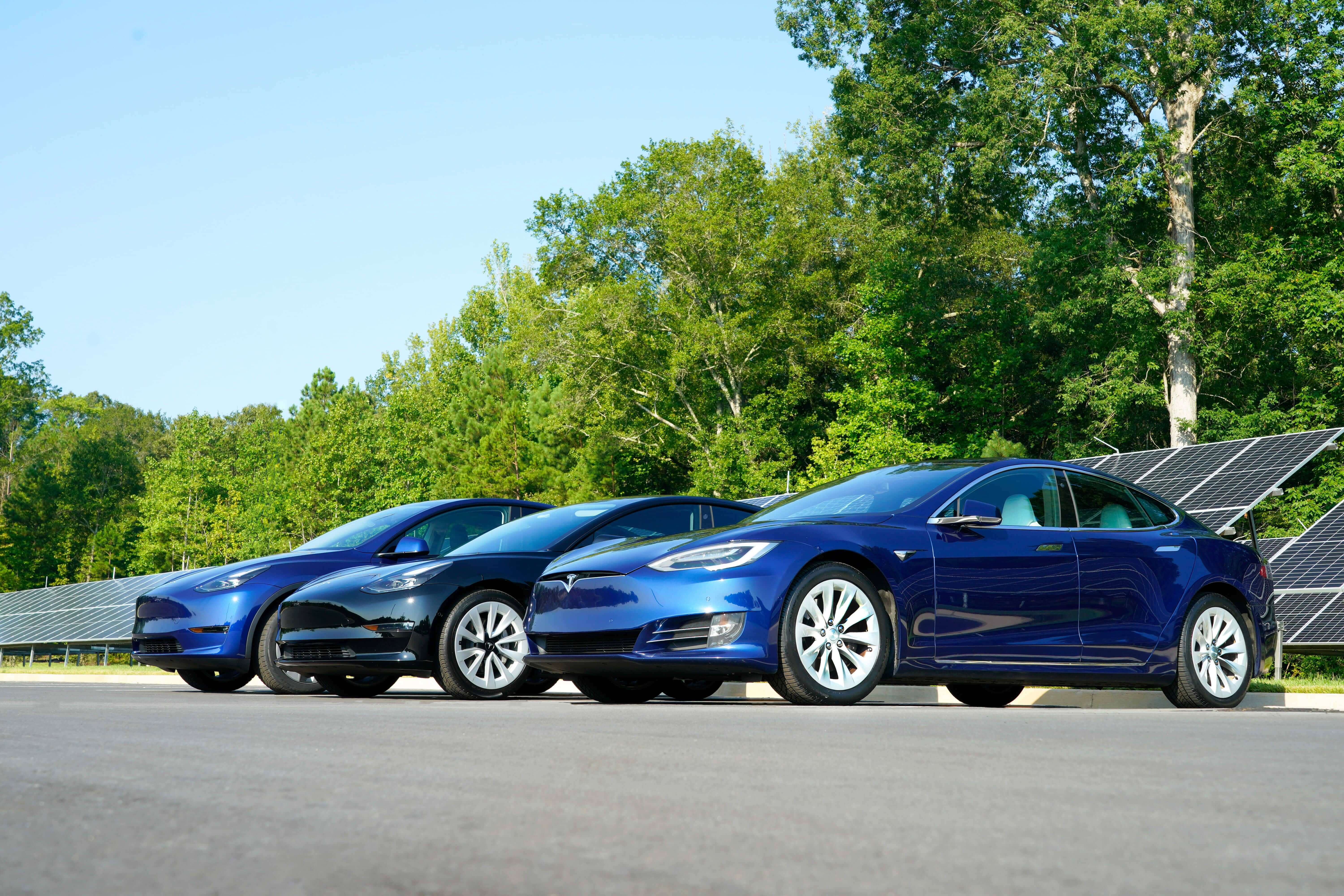
- Instant Torque: Unlike gas engines that build power, EVs deliver maximum torque at 0 RPM. This creates more friction and "scrubbing" every time you accelerate.
- Massive Weight: A mid-sized EV can weigh 1,000 lbs more than its gas counterpart. This extra mass puts constant pressure on the tread, especially during cornering and braking.
- Mechanical Stress: To handle these forces, EV-specific tires use stiffer sidewalls and specialized "high-load" (HL) constructions.
3. Key Technologies in Modern EV Tires

To handle these demands, manufacturers use specialized construction techniques that justify the higher price point of EV tires:
Regenerative Braking Compatibility
Many drivers wonder: Are there tires engineered for regenerative braking systems? Absolutely. Because "regen" slowing applies force through the motor rather than just the brake pads, the tires take on a larger share of the deceleration work. EV-specific tires use robust tread patterns and specialized rubber compounds to provide the necessary grip for smooth energy recovery without premature shredding.
Acoustic Foam & Silent Tread
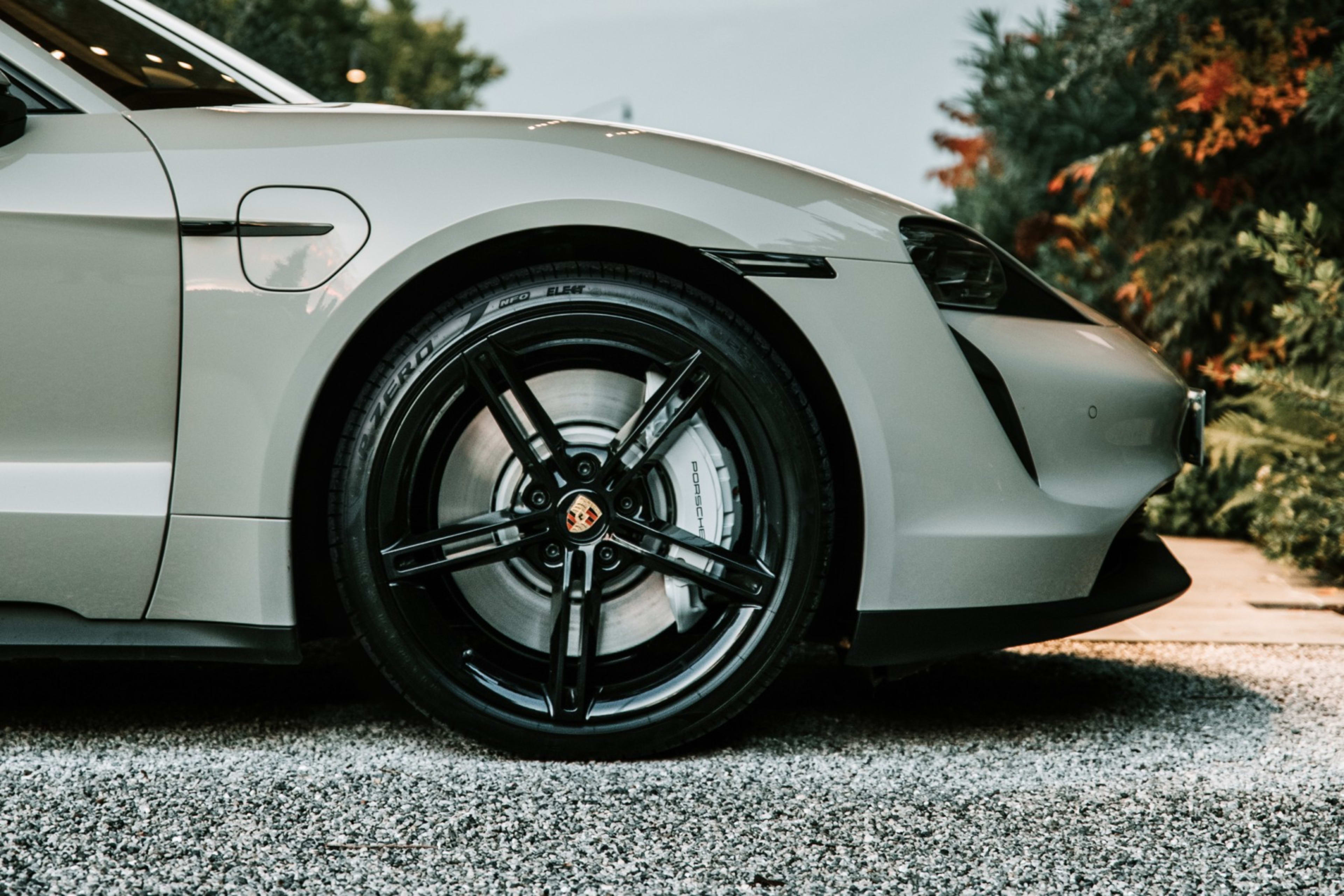
Since EVs have no engine noise, road roar is much more noticeable. Premium tires like the Pirelli P Zero All Season Plus Elect or Hankook iON evo use a polyurethane foam layer inside the tire to absorb vibrations, reducing cabin noise by up to 9 dB.
4. Pros and Cons: Choosing Your Setup
While you can put standard tires on an EV if the load rating matches, it is rarely recommended.
EV-Specific Tires
- Pros: Maximum battery range, near-silent cabin, and superior grip for instant acceleration.
- Cons: Higher upfront cost and shorter overall tread life.
Standard ICE Tires
- Pros: Lower initial price and longer treadwear warranties (often 60k+ miles).
- Cons: Significant range loss (5–10%), increased cabin noise, and the risk of premature "shredding" due to the high torque of the electric motor.
5. Best EV Tires in 2026

- Best for Range: Bridgestone Turanza EV (Uses ENLITEN technology for peak efficiency).
- Best for Noise: Goodyear ElectricDrive 2 SCT (Updated for 2026 with an asymmetric "silent" tread).
- Best for Performance: Pirelli P Zero All Season Plus Elect (Engineered for high-torque launches).
- Best Value: Hankook iON evo AS (Specifically designed to be a dedicated, cost-effective EV line).
Check out our EV tire buying guide for more information on EV tires, and to see our picks for the best EV tires in 2026.
Summary and Next Steps
Using the right tire ensures your EV lives up to its performance and efficiency promises. While standard tires might save you money at the register, the loss in range and the need for earlier replacement often make EV-specific tires the more economical long-term choice.
Ready to find the perfect tires?
Search By